
To start a steel trading company in Dubai, you have to register with the DET to secure a mainland license or with a Free Zone Authority. Firstly, you need to choose a company name, obtain a trading license, lease office or warehouse space, and get customs codes for import and export.
Dubai is the shining jewel of the Middle East and is synonymous with huge construction, iconic skyscrapers, and relentless infrastructure growth. At the heart of this evolution engine is steel, the spine of every building, bridge, and industrial project. This makes Dubai the eventual international hub for steel trading.
Its strategic site, top-class logistics, and business-friendly rules make a strong magnetic sector for anybody looking to begin a steel trading company in Dubai. Let’s understand the step-by-step procedure of establishing a successful steel trading business in Dubai, transforming you from an ambitious dreamer into a major player in the international commodity market.
Table of Contents
Why Choose Dubai for Your Steel Trading Venture?
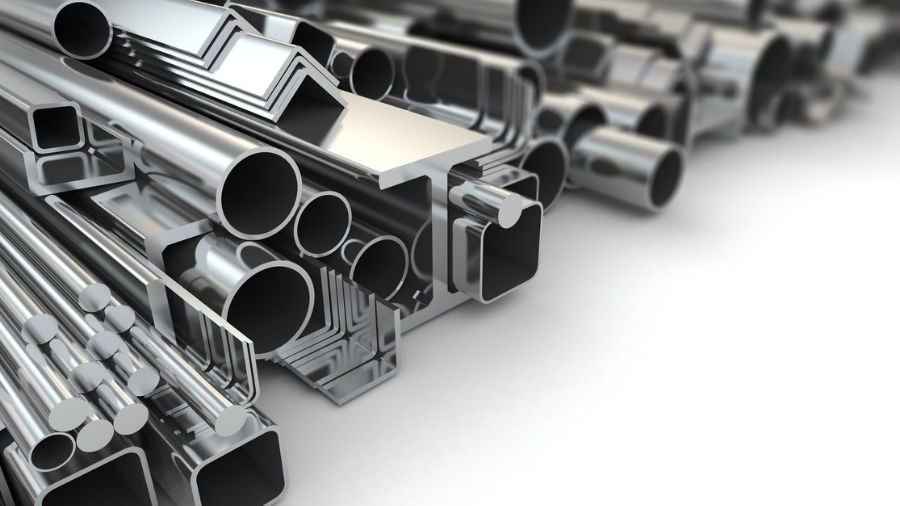
Before going ahead, it is vital to understand why Dubai is the unbeatable site for a business concentrated on steel import and export Dubai.
1. Strategic Location – The Global Crossroads – Dubai sits halfway between the prime steel producers and the main consuming markets. This geographical benefit decreases shipping times and expenses, making your corporation a focal point in the international supply chain.
2. World-Class Logistics and Ports – The Jebel Ali Port, one of the world’s busiest, delivers unmatched ability, modern management facilities, and effective customs procedures. The integration of ports, airports, and free zones delivers a smooth flow for large-scale steel import and export in Dubai.
3. Tax Benefits and Free Zones – The United Arab Emirates delivers extremely appealing tax guidelines, including zero personal income tax and low corporate taxes, specifically in its free zones. This financial benefit enhances your profit margins in the commodity trading space.
4. Local Demand – The UAE itself, and the whole GCC region, is continuously building. From Expo 2020 projects to new smart cities, the persistent domestic need for steel supplier Dubai makes sure a strong and stable market for your imported goods.
Which License Do You Need for a Steel Trading Business in Dubai
To legally start a steel trading business in Dubai in 2026, you need to secure a Commercial Trade License. DET issues it for mainland companies, and the Free Zone authorities issue it for companies operating in free zones. Once you secure this license, you get the official permission to buy, sell, import, and export steel products within the UAE and global markets.
Key Details
- Jurisdiction: You can choose to launch your steel trading company in the UAE on the mainland, which allows you to sell directly to the local market. However, a free zone setup is best for those involved in international re-export and need 100% ownership.
- Activity Code: You need to select the correct activity. Common options are building metal materials trading, steel and iron trading, and pipe and fittings trading. When you fill out your application form, you must choose the right option.
- Customs Code: Once you get your license, you also need to register with Dubai Customs. Without getting a customs code, you can’t bring steel through Dubai ports in the UAE. You also need to provide proof of a storage facility.
VAT & CT Obligations for Dubai Steel Trading Company in 2026
Business owners expanding their steel trading company operations in Dubai in 2026 must know about VAT and CT rules. Staying compliant with these obligations is necessary to avoid heavy fines and maintain a trusted image with the FTA.
- VAT Registration: If your taxable sales will be more than AED 375,000 in a year, you must register for VAT. Then you need to charge 5% tax on your local sales, and you can also claim back the tax you paid on your business expenses.
- Corporate Tax (CT): Your business will be subject to a 9% tax if your yearly profit is more than AED 375,000. However, if the yearly profit is below this limit, the tax rate applied will be 0%.
- Free Zone Benefits: By setting up your steel trading business in Dubai in a free zone, you can qualify for a 0% tax rate. However, this benefit can be secured only on certain types of international trading, and you also need to comply with specific rules.
- Keeping Records: Whether you set up a steel trading company in Dubai mainland or a free zone, you must maintain proper records of all your invoices, receipts, and bank statements. These must be kept for at least 5 years, as they must be provided during an FTA audit.
- Tax Filing: Businesses involved in steel trading need to file their VAT returns and CT returns on time. Generally, a CT return is filed once a year.
Documents Required for a Steel Trading License in Dubai
To get a steel trading license in Dubai in 2026, you need to prepare the necessary documents in advance. You need to submit a set of documents to the DET, as these documents prove who you are, where your business will operate, its ownership structure, and other details.
- Application Form: This is the basic form where you tell the DET or a free zone authority what your business does.
- List of Names: You also need to provide a list of names for your Dubai steel trading company that must follow the local naming rules.
- ID Documents: You need to provide clear copies of the passports, visas, and Emirates IDs of everyone who owns, runs, or holds a share of your company.
- Ownership Rules (MOA): This agreement explains profit distribution, ownership structure, and the roles of everyone linked with your business.
- Office or Warehouse Proof (Ejari): For your steel trading company setup in the UAE, you must secure a real office or warehouse. You need to provide a registered Ejari contract.
- UBO Declaration: In 2026, you need to provide this document that exactly tells who the Ultimate Beneficial Owners are to start a steel trading company in Dubai.
- Initial Approval: You receive this approval from the DET or a free zone authority that confirms they approve your business idea and your company name.
- No Objection Certificate (NOC): If any business partner already has a UAE residency visa from another job or sponsor, they need to provide NOC. This simple letter confirms that the sponsor has no issues with starting a business.
While the company registration process is digital and very fast, with experts, you can ensure the correct paperwork is ready. You can secure the right help from Start Any Business (SAB) to avoid issues, like delays and rejections from the authorities.
Cost of Starting a Steel Trading Company in Dubai
| Cost Component | Estimated Cost (AED) | Details |
| Trade License | AED 21,000 to AED 26,000 | Cost varies based on activity and government fees |
| Office Space | 25,000+ annually | Depends on location, size, or flexi-desk option |
| Warehouse Rental | 80,000 – 250,000 annually | Based on size, location, and storage needs |
| Visa Fees (per person) | 4,000 – 7,000 | Includes medical test and Emirates ID |
| Working Capital | 30,000 – 40,000/month | Covers salaries, transport, and utilities |
| Customs Registration | Varies | Required for import or export operations |
| Bank Minimum Balance | 25,000 – 50,000 | Depends on bank requirements |
Note: These costs may vary based on the activity chosen, location, and additional approvals, transportation costs, and other factors in 2026.
If you’re planning to start a steel trading company in Dubai in 2026, you must get an approximate total business setup cost. This key information will help you with better budget planning. Beyond the trade license, here are the factors that affect the steel trading company formation cost:
- License Cost Range: Generally, the cost of a metal or steel trading license in Dubai ranges between AED 21,000 and AED 26,000. However, this cost can vary based on government fees that are different for specific activities.
- Office Cost: You need to secure a physical office space to start your steel trading company. The annual cost to rent a small private office in Dubai starts from AED 25,000. You can also choose budget-friendly options, like a shared office or a flexi-desk.
- Warehousing: Since steel is heavy and bulky, you might need to rent a warehouse. If you rent a storage facility in mainland Dubai, you need to pay rental costs that can range from AED 80,000 to AED 250,000 per year. The rental cost depends on the size and location.
- Working Capital: You also need to consider working capital that must cover daily operations like staff salaries, transportation, and utilities. For a small setup, monthly operating expenses can be around AED 30,000 to AED 40,000.
- Visa Fees: This also affects the overall cost of steel trading company setup UAE. You might need to pay AED 4,000 to AED 7,000 for each investor or employee visa. These fees also include medical tests and Emirates ID processing.
- Customs Registration: Those planning to start a steel trading business in Dubai in 2026 need to get registered with the Customs authority. You need to get an import/export code, which is a must for moving steel across borders. So, you must consider customs registration charges during business setup.
- Bank Minimum Balance: Most banks in Dubai require clients to keep a minimum balance in a corporate account. Without opening a company account, you can’t make business transactions. Generally, the minimum balance requirement ranges between AED 25,000 and AED 50,000.
[oceanwp_library id=”5543″]
Phase One – The Business Planning & Strategy

A successful trading business begins with a strong plan, not only a business license.
1. Define Your Niche and Target Market –
Steel trading is too wide. You have to specialize to stand out. Think about paying attention to a particular zone –
- Product Specialization – Concentration on particular steel products, like rebar, structural steel, steel coils, or specialized stainless steel.
- Geographical Focus – Will you majorly import from China and sell to the GCC, or concentrate on exporting local scrap steel to Europe?
- Client Type – Will you target big construction corporations, smaller fabricators, or work as a bulk supplier to another steel trading company in Dubai?
2. Secure Your Initial Capital –
Steel trading demands remarkable working capital because you should buy big consignments prior to receiving payment from your purchasers.
- Financial Plan – Detail the expenses for licensing, office rent, team salaries, and, most crucially, the Letter of Credit and inventory financing demand for the first 3 to 6 months.
- Banking – Set up a robust connection with banks in Dubai. They are vital for facilitating the Letter of Credit required for global steel transactions.
Phase Two – Licensing and Legal Formalities
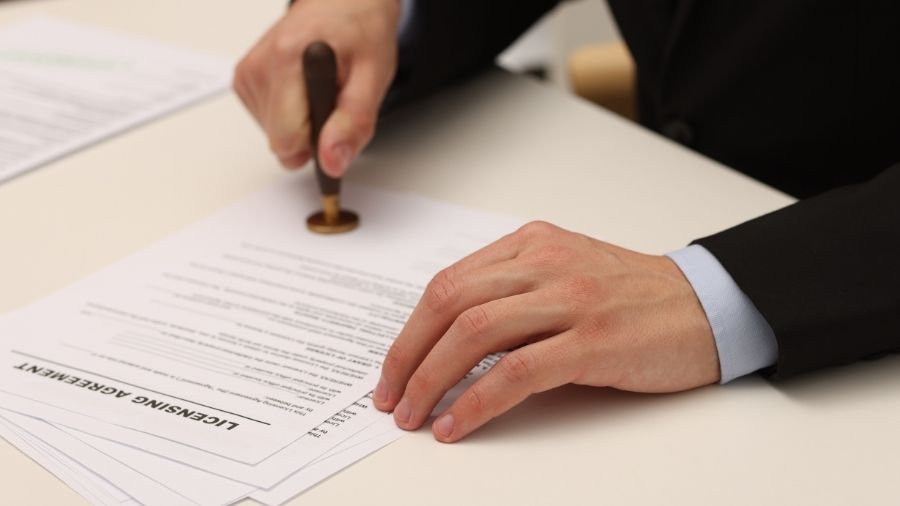
This is where you officially set up your steel trading license in Dubai.
3. Choose a Company Name –
Choose three names in order of preference. The name should not violate public morals, religious beliefs, or be misleading. Get this sanctioned by the appropriate authority.
4. Apply for Your Steel Trading License Dubai –
The particular license activity you require is usually Iron & Steel Trading or Metal Trading.
- In a Free Zone, you will apply directly to the Free Zone authority. The procedure is typically quicker and includes presenting your application, business plan, passport copies of shareholders/managers, and a lease contract for an office or flexi-desk.
- In Mainland Dubai, the procedure includes initial approval from the DED, making an application for the trade name, drafting the Memorandum of Association, and getting the crucial commercial license. This may also demand external approvals based on the particular metal items and your management.
5. Finalize Office Space and Lease –
You require a legal commercial address to secure your business license –
- Free Zone – You will lease an office unit or utilize a flexi-desk package given by the authority.
- Mainland – You should lease a physical office area in a designated commercial building and have it attested by the Ejari system.
6. Open a Corporate Bank Account –
Once you have your license, MOA, and office address, open a corporate bank account in Dubai. This is vital for handling global payments, currency exchange, and, most crucially, accessing trade finance facilities such as Letters of Credit and Documents against Payment.
Phase Three – Operations and Logistics Setup
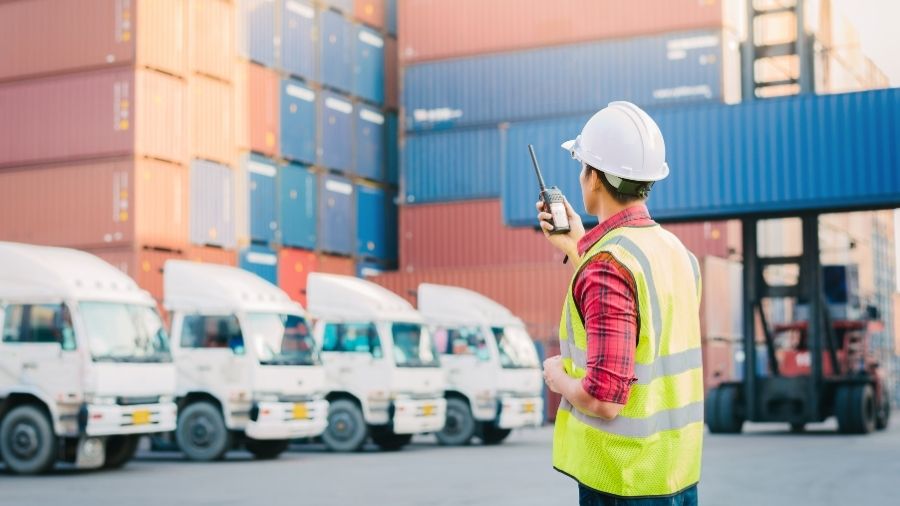
Your license gets you started, but your functions make you beneficial.
7. Establish Your Global Supply Chain Network –
A successful steel trading company in Dubai is described by the power of its connection with mills and logistics providers.
- Source Mills – Recognize and vet standing steel mills in prime producing nations. Visit the mills if possible to make sure quality and production ability.
- Quality Control – Appoint third-party verification agencies to verify the steel at the mill before shipment. This is non-negotiable, as quality disputes are expensive.
- Procurement Process – Set up a clear procedure for giving Purchase Orders, handling Letters of Credit, and coordinating with the mill’s sales team.
8. Logistics, Shipping, and Warehousing –
This is the lifeblood of steel import export in Dubai.
- Freight Forwarders – Partner with seasoned freight forwarders who have expertise in managing heavy cargo like steel. They will handle container booking, port clearance, and trucking.
- Customs Clearance – Make sure your freight forwarder is adept at handling UAE customs and all crucial paperwork for import and re-export duties.
- Warehousing – If you are holding stock, get a warehousing area. Several free zones, particularly JAFZA, deliver specialized storage facilities for hefty commodities.
9. Hire and Train Your Team –
You do not require a big team initially, but you require professionals –
- Traders/Sales Manager – Somebody who comprehends the international steel market, cost fluctuations, and has robust negotiation skills.
- Logistics & Documentation Professional – Somebody to handle shipping schedules, Bills of Lading, customs papers, and insurance.
- Accountant/Trade Finance Professional – Crucial for handling Letters of Credit, invoicing, and cross-border payments.
Phase Four – Market Penetration and Growth

With your formation complete, pay attention to landing your first prime deals.
10. Master the Art of Pricing and Risk Management –
Steel is a volatile commodity. Your success is based on smart risk management.
- Hedging – Comprehend international cost benchmarks and think about hedging strategies to secure yourself against cost drops between the time you purchase and the time you sell.
- Incoterms – Be fluent in Incoterms to transparently describe who pays for insurance, freight, and duties at every phase of the transaction.
- Payment Terms – Stick to secure payment ways, mainly Letters of Credit, or Cash Against Documents, particularly with new suppliers or buyers.
11. Network with Steel Suppliers Dubai and Local Buyers –
The best method to penetrate the local market is through networking –
- Industry Events – Attend big construction and metal trade shows in Dubai.
- Local Suppliers – Get to understand the prime steel suppliers in Dubai and local fabricators. They can be your best customers.
- Digital Presence – While steel is an offline business, an expert, multilingual website detailing your items, specifications, and certifications is crucial for credibility.
Final Thoughts and Key Takeaways
Establishing a steel trading company in Dubai is a very profitable but difficult undertaking. It requires extensive knowledge of international logistics, trade finance, and risk management in addition to money and a license. Start Any Business (SAB) offers complete guidance for this process.
Dubai provides the ideal ecosystem to lessen the logistical difficulties by offering a centralized platform that facilitates the effective connection of international mills with local buyers.
The steps are straightforward: pick your structure (free zones are frequently the best for importing and exporting steel from Dubai), obtain a steel trading license in Dubai, set up reliable financing for inventory, and create a top-notch logistics network. Your steel trading company set up in the UAE will be well-positioned to capitalize on the growth of regional and global infrastructure by emphasizing quality control and disciplined financial risk management.
Also Read: A Comprehensive Guide to Free Zones in the UAE for Entrepreneurs
Frequently Asked Questions on Steel Trading Company in Dubai, UAE
You must secure a trading license and a Dubai Customs Client Code to handle the import and export of steel products through UAE ports.
Firstly, select your jurisdiction and trade name, secure initial approval, and lease a warehouse or a physical space. Then submit the legal documents and pay the license fees to get your license.
You need a Commercial License for steel trading and distribution. However, if you are manufacturing or processing raw materials, apply for an industrial license.
You must prepare documents like:
- A registered Ejari for the mainland company registration.
- Passport copies for all shareholders and managers
- A UAE residency visa or Emirates ID (if applicable)
- An NOC from the current sponsor or employer
- A trade name reservation certificate
- A signed MOA
Expats can now enjoy 100% ownership in both the mainland and free zones. This means you no longer need a UAE national as a shareholder, as most mainland activities also offer full ownership and financial control.
The total launch cost of a steel trading business in Dubai ranges from AED 35,000 to 60,000+. This cost covers the trade license fees (AED 15K to 35K), customs registration, and visa fees. The setup cost varies based on your location and the size of the warehouse required.
JAFZA is the best option for bulk international trade, DMCC for corporate commodity trading, and Dubai Industrial City for those needing massive warehousing. Choose the Dubai Mainland setup for direct access to the local market.
You need a Customs Client Code, approvals from authorities, like Dubai Municipality, have to meet ESMA standards, and often require a Mill Test Certificate (MTC).
Once you secure a commercial license and complete customs registration, you can export or re-export steel to other nations. You can easily access top markets across the Middle East, Africa, and Asia.
Dubai has a favorable location, so a company set up here will connect you with major consumer markets. The world-class facilities, Jebel Ali Port, friendly tax laws, and 100% foreign ownership are other reasons that make Dubai a premier hub for the steel trading industry.