
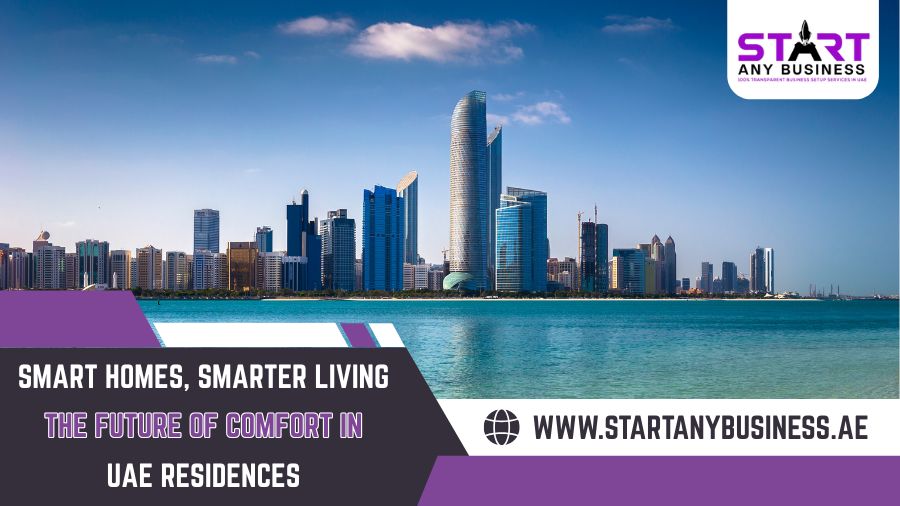
The United Arab Emirates, especially Dubai, is well known throughout the world for its innovative spirit and forward-thinking outlook. It’s a place where technology of the future becomes a reality of the present, and its gorgeous homes are the best example of this. The days of having a good sound system in luxury smart homes in Dubai are long gone. These days, UAE smart homes are developing into intelligent, adaptable spaces that redefine efficiency, security, and comfort.
Making the switch to home automation. With its seamless integration of state-of-the-art smart home technology with everyday life, the UAE is no longer a niche trend but rather the norm for contemporary living. In this era of connected living, Dubai, your house anticipates your needs before you even express them.
Table of Contents
The Core of Comfort – AI-Powered Climate and Lighting
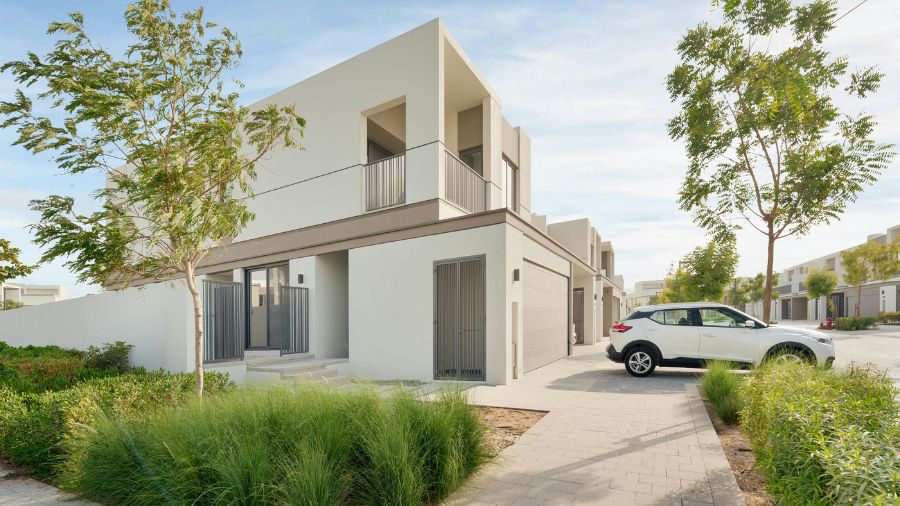
Fighting the heat is a daily struggle in an area where temperatures frequently soar. This is where smart living in Dubai really shines, emphasizing individualized comfort and significant energy savings.
1. Climate Control with Intelligence
UAE Smart homes in the United Arab Emirates use AI technology to make climate control dynamic and effective, whereas traditional air conditioners are static.
- Anticipatory Cooling – AI systems learn your daily routine and outdoor weather patterns to provide anticipatory cooling. After a demanding workday, they can precool your villa or apartment minutes before you get home, guaranteeing that the temperature is ideal when you walk through the door.
- Energy Optimization – Smart thermostats identify unoccupied rooms and automatically adjust or turn off the cooling in those areas because air conditioning is a significant energy drain in the United Arab Emirates. This supports the sustainability objectives of the UAE in addition to saving you money on utility bills.
Ambient Lighting and Shading

Lighting in luxury smart homes in Dubai is more than just intermittent; it’s about security, wellbeing, and mood.
- Scene Setting – Your lights can dim, the color temperature can change to a warm glow, and the motorized curtains and blinds can automatically close with a single voice command (“Movie Night”) or a tap on a central hub, instantly changing the room.
- Daylight Harvesting – By automatically adjusting blinds and interior lighting in response to the sun’s position and intensity, smart systems can minimize glare and maximize natural light, which reduces the need for artificial lighting during the day.
Enhanced Security – Peace of Mind in a Connected World
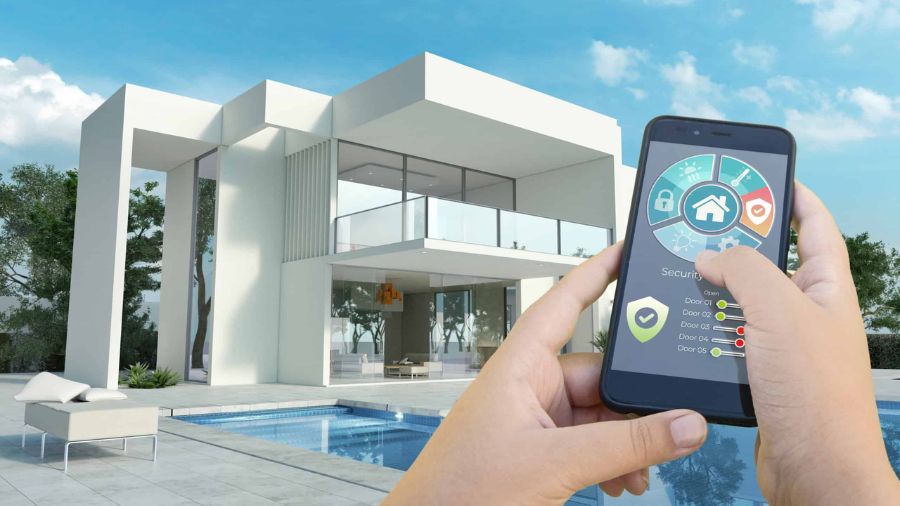
Security is crucial for residents who own large properties or for foreigners who travel frequently. Beyond just an alarm, Smart home technology UAE offers a comprehensive, real-time security blanket.
Proactive Monitoring and Access –
- Smart Locks and Keyless Entry – Forget misplaced keys with smart locks and keyless entry. Keyless entry systems utilizing biometrics (fingerprint/facial recognition), numerical codes, or smartphone apps are common in modern UAE smart homes. A housekeeper or a delivery driver may be given temporary remote access.
- AI Surveillance – Cameras use AI smart home intelligence to distinguish between a car, a pet, and an unidentified person, in addition to being used for recording. Only when absolutely necessary do you get immediate, targeted alerts on your phone.
- Remote Control – Whether traveling for work or running errands, you can keep an eye on live video feeds, make sure doors are locked, and even create the appearance of occupancy by turning lights on and off from a distance. This degree of control is essential to smart living in Dubai.
The Future is Now – AI, Wellness, and Seamless Integration
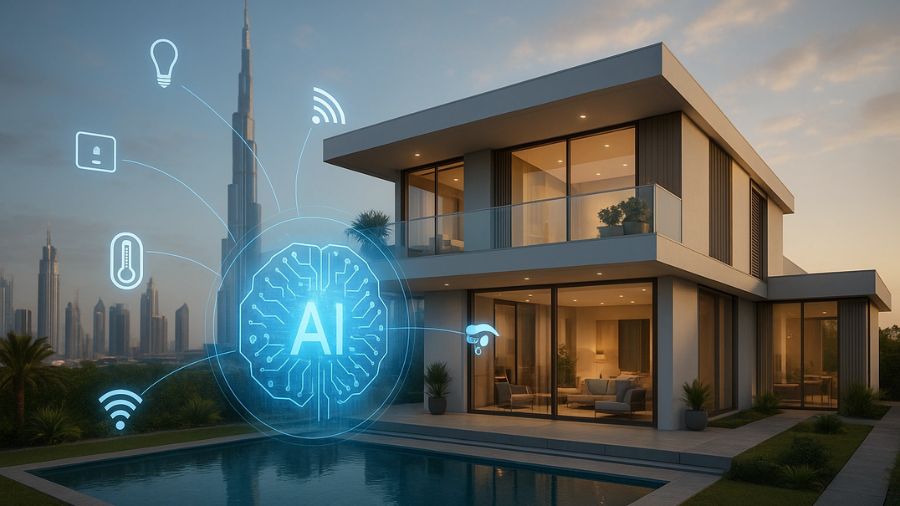
The transition from device control to intelligent integration is what will truly define UAE smart homes in the future. The objective is to live in a fully connected Dubai where all systems collaborate subtly.
1. AI and Machine Learning –
The upcoming UAE smart homes generation uses machine learning and artificial intelligence to build a truly responsive environment –
- Personalized Profiles – The house uses wearable technology or facial recognition to identify who is in the room and instantly modifies the temperature, music selection, and even the height of the kitchen counter to suit their pre-programmed preferences.
- Predictive maintenance – Devices keep an eye on their own performance all the time. In order to avoid a significant inconvenience during the hottest part of summer, your smart air conditioner may notify you when a filter needs to be cleaned.
2. Health and Wellness Integration
The health of the occupants of contemporary luxury UAE smart homes is becoming more and more important –
- Air Quality Monitoring – Systems keep an eye on humidity, volatile organic compounds (VOCs), and internal air quality. The ventilation system automatically cleans the air if the quality declines.
- Smart Sleep – Based on information about your sleep cycle, integrated systems can modify the ambient temperature and sound levels in your bedroom to encourage deeper, more restful sleep.
3. Energy and Sustainability – A UAE Priority
The extensive use of smart home technology UAE is a significant victory for energy conservation, which is a top concern for the country’s leadership.
- Zero Waste – By keeping track of food expiration dates, smart kitchen appliances assist locals in minimizing food waste.
- Water Management – In a water-scarce area, intelligent systems optimize irrigation in villas based on real-time weather forecasts, monitor water usage, and detect leaks instantly, a critical feature in high-rise buildings.
Stepping into the Future
The path to smart living in Dubai is constantly changing. It’s an investment that boosts property value, improves quality of life, and harmonizes your personal space with the UAE’s global innovation vision.
Incorporating home automation UAE is the key to unlocking unmatched convenience, whether you’re building a new villa, remodeling an existing apartment, or just looking to upgrade a few features. The future of UAE smart homes is already here, providing residents with a comfortable and sophisticated lifestyle. Are you prepared to live in the future? Your house is just waiting to become more intelligent.
Also Read: Guide to Changing Your Company’s Business Activity in Dubai
Frequently Asked Questions
What is a smart home, and how does it work in modern UAE residences?
A smart home is a place where vital appliances and systems are connected, automated, and controlled remotely using Internet of Things (IoT) technology.
- How the UAE Operates – Smart blinds, lighting, security cameras, and thermostats are all connected to a central hub that can be controlled by a voice assistant or a single mobile application.
What are the main benefits of living in a smart home in the UAE?
The primary advantages are directly linked to managing the region’s climate and lifestyle –
- Energy Efficiency & Cost Savings – Crucial due to the intense heat and high AC usage. Smart systems significantly reduce utility costs by optimizing lighting and cooling.
- Enhanced Security – Through remote monitoring and immediate alerts, it offers complete, real-time security.
- Unmatched Convenience – Residents can manage their home from anywhere in the world thanks to the automation of daily tasks, which is crucial for the UAE’s highly mobile expat population.
- Enhanced Property Value – In the cutthroat UAE real estate market, smart features are a highly sought-after feature that commands premium prices and higher rental yields.
How do smart home systems enhance comfort and convenience for residents?
Smart systems produce a genuinely customized living environment by going beyond basic automation –
- Anticipatory Cooling – To lessen the shock of extreme outdoor heat, AI learns daily schedules and outside weather patterns to precool the house to the ideal temperature right before the resident arrives.
- Scene Setting – Residents can trigger complex actions with a single command.
- Remote Management – Permits residents to remotely give temporary access (keyless entry) to supervision staff or delivery drivers while monitoring the activity via combined smart cameras.
What types of technologies are commonly used in UAE smart homes?
An advanced UAE smart home uses a convergence of technologies, including –
- Connectivity – High-speed fiber optics and 5G networks deliver the essential bandwidth for smooth function.
- Control Protocols – Wi-Fi, Z-Wave, Zigbee, and the emerging Matter/Thread protocols confirm that different devices can communicate reliably.
- Artificial Intelligence (AI) – Utilized in high-end systems for predictive analytics (learning routines) and improved protection (facial recognition, object classification).
- Voice Assistants – Google Assistant, Amazon Alexa, and Apple HomeKit, usually combined centrally for hands-free control.
Are smart homes in the UAE energy-efficient and environmentally friendly?
Yes, they are a cornerstone of the UAE’s sustainability actions.
- Optimized AC – Using artificial intelligence (AI) to operate only when necessary and at optimal settings, intelligent climate control (HVAC) is the single biggest energy saver, resulting in significant electricity bill reductions (often 20–30%).
- Daylight Harvesting – By automatically adjusting to enhance natural light and decrease solar heat gain, automated shading systems (smart curtains/blinds) lessen the strain on the air conditioner.
- Water Management – In an area with limited water resources, smart sensors are essential for tracking water consumption and promptly identifying leaks.
How secure are smart home systems from cyber threats or hacking?
Security is a major concern, and while exposures exist, the UAE takes a forceful stance –
- Risks – Smart cameras, locks, and voice assistants can be vulnerable to hacking if they rely on weak, default passwords or outdated firmware. The possibility of devices being used for illegal access or data theft has prompted the UAE Cyber Security Council to issue warnings.
- Mitigation – The UAE’s Federal Decree-Law No. 34 of 2021 on Cybercrimes provides a strong legal framework. It is recommended that residents use strong, one-of-a-kind passwords, turn on Two-Factor Authentication (2FA), and update device firmware frequently to fix known security vulnerabilities.
Can smart home technology be integrated into older or existing homes in the UAE?
Yes, retrofitting is common and easily accessible.
- Wireless Systems – A lot of common devices, like Wi-Fi light switches, smart plugs, and standalone security cameras, can be installed wirelessly with little to no alteration to the current wiring or structure.
- Universal Bridges (IR Controllers) – Machines exist that can join older technology, like conventional AC units or non-smart TVs, to the Wi-Fi network using Infrared (IR) technology, permitting them to be managed through a smart app.
- Professional Retrofit – Specialized integrators can establish full systems utilizing professional control protocols without significant wall demolition.
What are some popular smart home devices trending in UAE residences?
The most widely used devices deal with security and climate –
- Smart Thermostats – (AI-driven climate control) to handle the demanding AC load effectively.
- Motorized Curtains & Blinds – Motorized blinds and curtains are crucial for controlling heat gain and sun glare.
- Biometric Access Control – Conventional keys are being replaced by smart door locks that use fingerprints, facial recognition, or numerical codes.
- Smart Video Doorbells – With smart video doorbells, locals can interact with guests and keep an eye on deliveries from a distance.
How does home automation contribute to luxury and modern living in the UAE?
In keeping with the UAE’s emphasis on futuristic luxury, automation turns a home from a place of refuge into a responsive, user-friendly setting –
- Seamless Integration – It pushes beyond discrete devices to a centralized ecosystem where technology is hidden, responding to the resident’s existence, voice, and program.
- Prestige – Smart infrastructure, which offers residents cutting-edge comfort, security, and a future-proof lifestyle, is a sign of luxury in residential communities like Dubai Hills Estate and Palm Jumeirah.
- Wellness – Newer movements include combined air quality monitoring, mood-based lighting (circadian lighting), and intelligent sleep tracking, connecting technology to personal health and well-being.
What is the future outlook for smart home adoption across UAE communities?
It is expected that the market will grow at a Compound Annual Growth Rate (CAGR) of over 20% between now and 2030.
- Government Push – Driven by the Smart Dubai initiative and the national emphasis on sustainability, particularly within the framework of UAE Vision 2031.
- New Developments – Leading real estate developers are making smart features a standard part of all new high-end villas and apartments.
- Advanced AI – The future will see greater integration of AI, making homes truly predictive and autonomous, while enhancing energy optimization and proactive security measures.